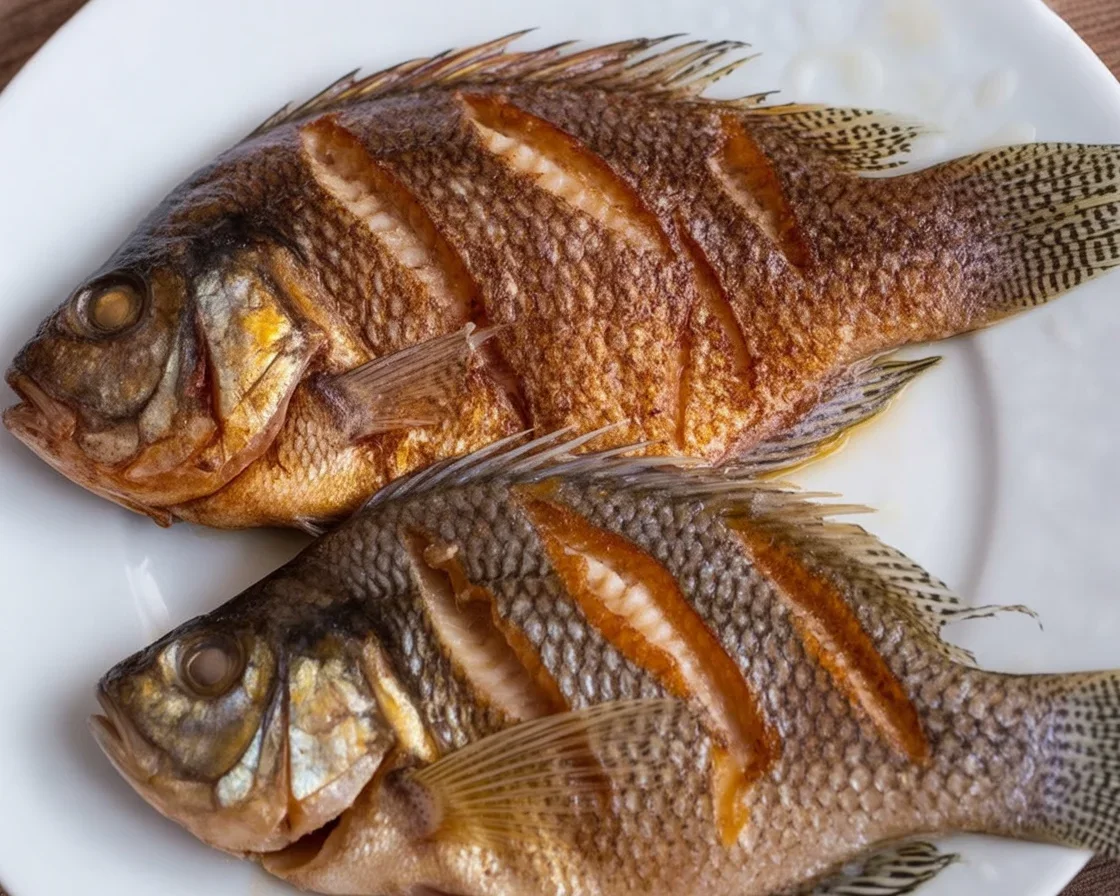
pan fried tilapia filipino style is my go to fix when the day runs late and the family is already poking around the kitchen asking what’s for dinner. You get that crisp skin, flaky meat, and a vinegar kick that wakes up your taste buds. It cooks fast, uses pantry basics, and the clean up is not bad if you plan it right. If you’ve ever been spooked by oil splatters or soggy fish, I’ve got you covered with simple steps. Stick with me and you’ll be frying like a pro in no time. 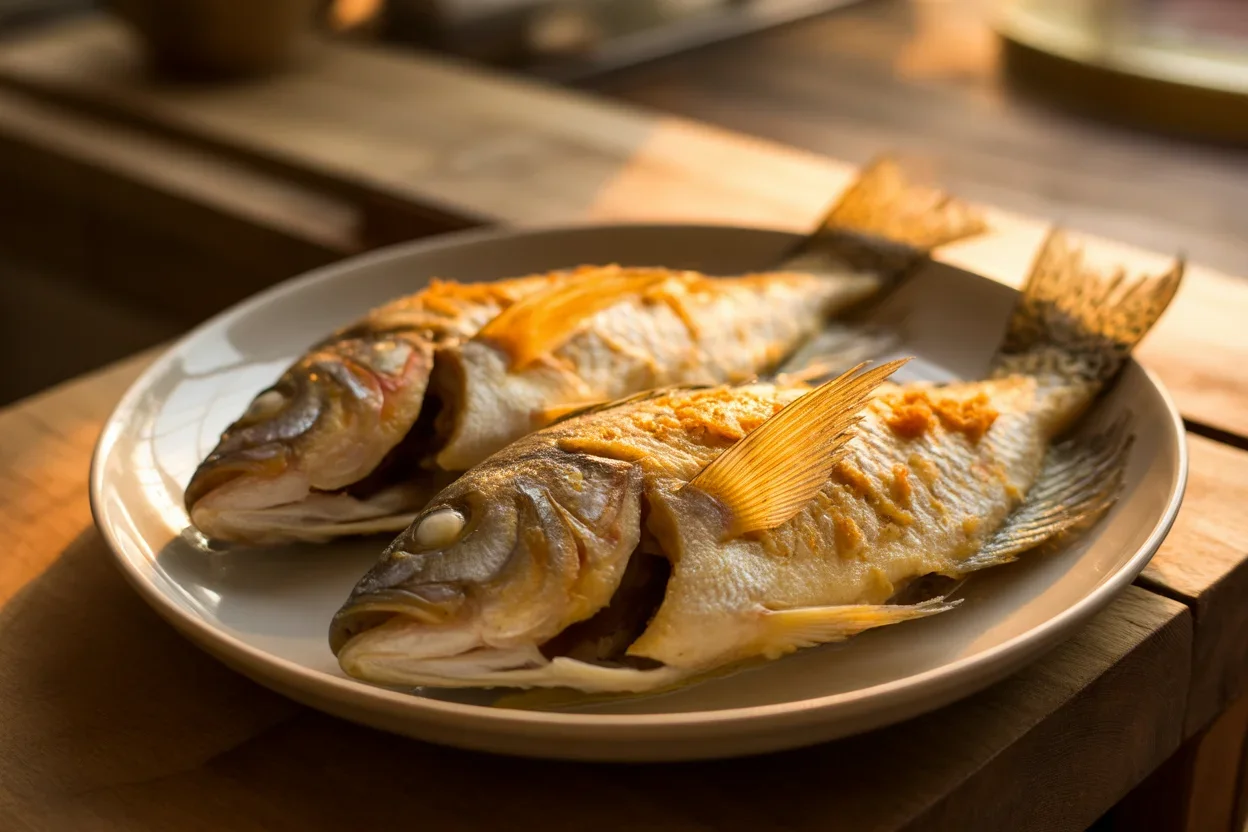
Ingredients
I keep this meal simple, but I want the flavor big. Here’s what you’ll need for the fish and the dipping sauce. Nothing fancy, just honest ingredients.
- Whole tilapia, cleaned and scaled, about 1 to 1.5 pounds each. You can also use fillets if you prefer.
- Salt and ground black pepper for seasoning.
- Garlic, minced, for a quick rub.
- Calamansi or lemon, for brightness.
- Cornstarch or rice flour, optional, for extra crisp texture.
- Neutral oil with a high smoke point. I like canola or peanut oil.
- White cane vinegar or coconut vinegar for the dip.
- Red onion or shallots, thinly sliced, for the dip.
- Fresh chilies like labuyo or serrano, sliced, for heat.
- Soy sauce and a pinch of sugar, optional, to balance the dip.
A comforting side takes this over the top. I love serving the fish with hot rice or a leftover rice remix. If you want a delicious pairing, check out this savory idea for mornings that also works as a dinner side: Adobo Fried Rice.
Pro tip: For consistent results with crispy skin, make sure the fish is completely dry before it hits the oil. Moisture is the enemy of crunch.
Seasoning fish
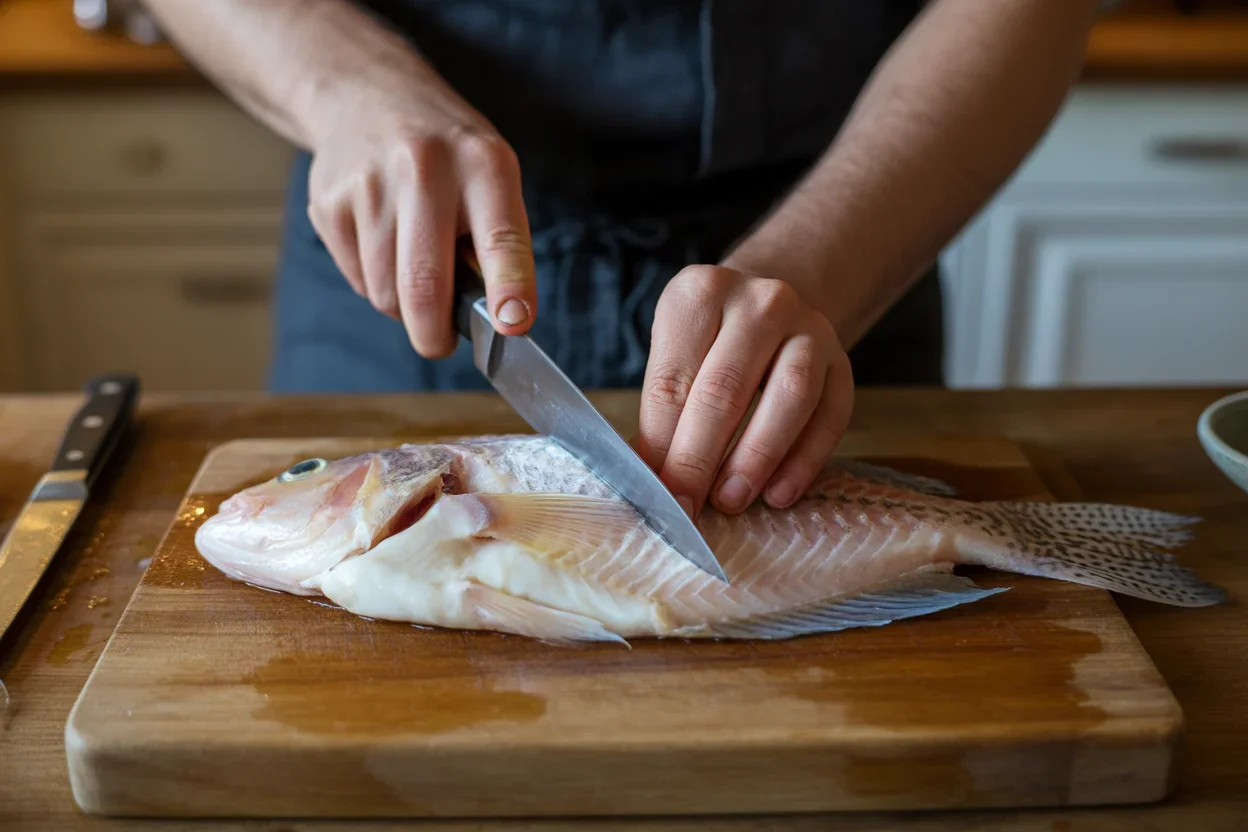
Good seasoning starts before the pan heats up. Start by patting the fish very dry with paper towels. If you’ve got whole fish, make two to three shallow diagonal cuts on each side. This helps the seasoning penetrate and also lets heat in so it cooks evenly.
Rub the fish with a mix of salt, pepper, and minced garlic. I add a quick splash of calamansi or lemon to freshen things up, but keep it light. You don’t want to soak the fish. Let it sit for 10 to 15 minutes on a rack or plate while you prep the pan. If you’re going for extra crunch, dust a thin, even layer of cornstarch or rice flour just before frying. Shake off any excess so it doesn’t burn in the oil.
The heart of pan fried tilapia filipino style is balance. You want a well seasoned fish that still tastes like fish. That means a confident amount of salt, just enough garlic, and a bright note of citrus. It’s simple, and it works every time.
If you’re curious how this compares to a more intensely crispy route, you might like this variation too: Crispy Fried Tilapia with Garlic Vinegar Dip. Same spirit, slightly different texture, and still very Filipino.
Key tip: keep the skin bone dry. The drier it is, the better it browns. Moisture turns to steam, and steam softens the crust.
Frying method
Pan setup and oil temperature
Grab a wide skillet so the fish has space. Crowding cools the oil and invites sticking. Pour enough oil to come about one third up the thickness of the fish. Heat over medium to medium high. You want the oil hot, but not smoking. A safe test is to dip the tip of a wooden spoon or chopstick. Steady bubbles mean the oil is ready. If it roars or smokes, lower the heat and give it a moment.
How to lay the fish and avoid sticking
Lay the fish away from you, gently, so any splash goes to the back of the pan. Do not move it right away. Let the crust form for 4 to 5 minutes on the first side for a medium sized tilapia. When it’s ready, it will release from the pan with a gentle nudge. If it holds on, give it another minute. Flip once, then cook the second side for 3 to 4 minutes, depending on size. If it’s a big whole fish, you can lower the heat a touch and let it go another minute per side.
To keep splatters down, I sometimes angle a lid as a shield, leaving a gap so steam escapes. Remember, steam trapped under a tight lid will soften the crust, so keep it vented.
Know when it’s done
The skin should be golden brown and the flesh should flake easily with a fork. For whole fish, the dorsal fin should pull out with little resistance. If you use a thermometer, you’re looking for about 145 F at the thickest part. Rest the fish on a wire rack over paper towels so the underside doesn’t steam and get soggy.
“I followed your timing and the fish came out perfectly crisp without the house smelling like a fryer. The vinegar dip makes it taste like home. This is going in our weekly rotation.”
One more thought on rhythm: keep your heat steady. If the oil cools too much, your fish will drink it up and get greasy. Too hot and the outside burns before the center cooks. Aim for that gentle, consistent bubble.
I like to serve this with a simple noodle dish when I’m feeding a crowd. If you feel the same, take a peek at Pancit Habhab Lucban Style Stir Fried Noodles for a classic partner that’s still easy on a weeknight.
Once you’ve done pan fried tilapia filipino style a couple of times, you’ll see how forgiving it is. The main things are dry fish, steady heat, and a patient first flip.
Dipping sauce
Filipino style vinegar dip is the heartbeat of this dish. It cuts through the richness of the fried fish and brings all the flavors together. I usually use cane vinegar, but coconut vinegar is lovely and gentle too. Mix vinegar with sliced red onion, chilies, a pinch of salt, and a tiny sprinkle of sugar if your vinegar is super sharp. You can add a splash of soy sauce for color and savoriness.
Vinegar choices and simple mix ins
- White cane vinegar for a clean, sharp bite.
- Coconut vinegar for a softer tang.
- Chopped garlic or ginger for warmth.
- Calamansi juice if you want a citrus lift.
Let the onions and chilies sit in the vinegar for a few minutes before serving. This takes the edge off the raw onion and infuses the vinegar with flavor. The result is a bright, punchy dip that makes pan fried tilapia filipino style feel complete.
Some folks love a sweeter profile. If that’s you, add a teaspoon of sugar and a bit more soy sauce, then taste and adjust. There is no one right way to make sawsawan. It’s personal and that’s the fun part.
Common Questions
Q: Can I use fillets instead of whole tilapia?
A: Yes. Fillets cook faster and splatter less. Pat them extra dry, dust lightly with cornstarch, and fry for 2 to 3 minutes per side depending on thickness.
Q: How do I prevent the fish from sticking?
A: Dry the fish very well, heat the oil until it’s ready, and avoid moving the fish for the first few minutes. A light cornstarch coating also helps create a barrier.
Q: What oil works best?
A: Use a neutral oil with a high smoke point like canola, peanut, or vegetable oil. Avoid olive oil since it can burn at higher temps.
Q: Can I make the vinegar dip less spicy?
A: Sure. Skip the chilies, or remove the seeds and ribs. You can also add a touch of sugar to soften the sharpness while keeping flavor bright.
Q: What desserts pair nicely with the tangy dip and savory fish?
A: I like something cozy and familiar after a bold dinner. Try these fluffy Banana Pancakes for a simple sweet finish. They’re great for brunch the next day too.
Ready to fry and feast
There’s something satisfying about taking a few simple ingredients and turning them into a dinner that the whole table attacks with a smile. Once you master the basics of heat control, dryness, and seasoning, pan fried tilapia filipino style becomes second nature. If you want another trusted perspective with a slightly different angle, check out this helpful Fried Tilapia Recipe for more ideas you can blend with your routine. Keep the vinegar dip lively, keep the fish crisp, and make it your own. Can’t wait to hear how your first batch goes. 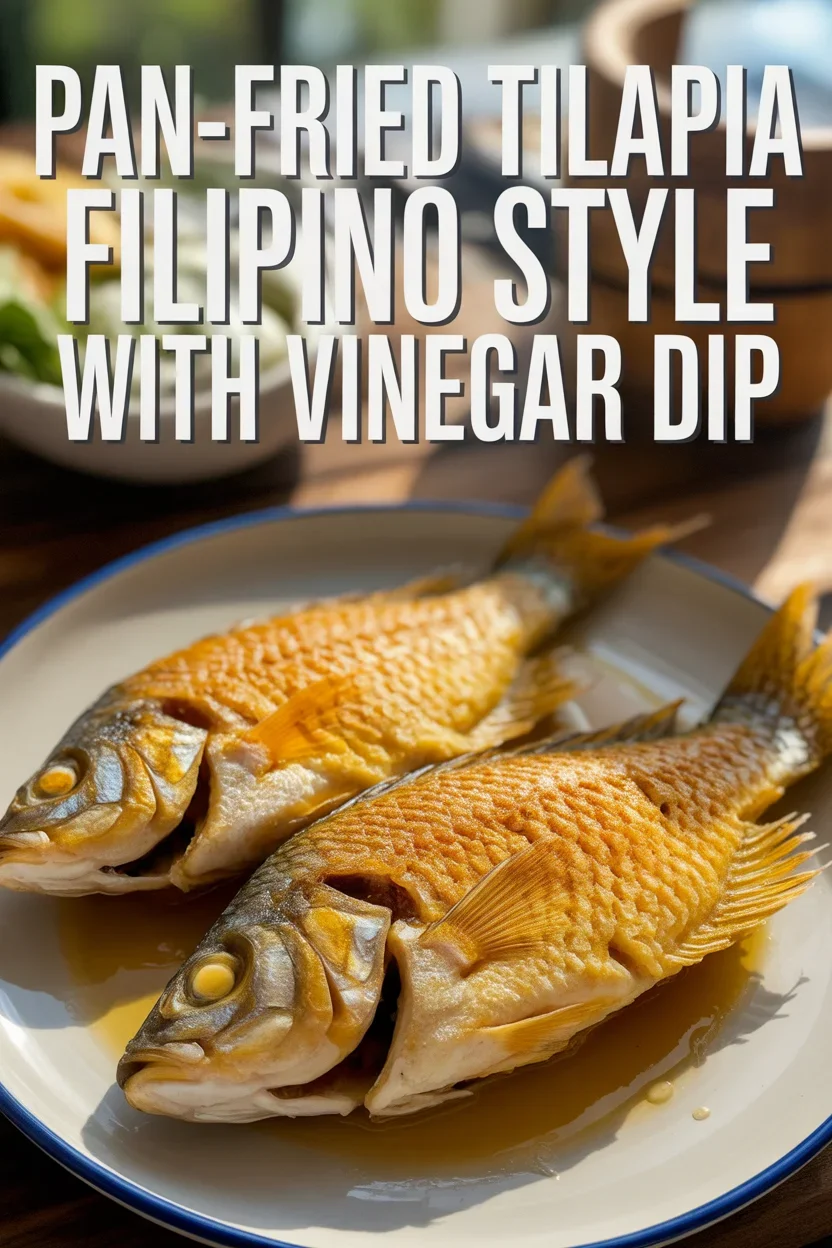
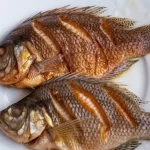
Pan Fried Tilapia
Ingredients
Fish Ingredients
- 1 each Whole tilapia, cleaned and scaled (about 1 to 1.5 pounds) Can also use fillets if preferred.
- 1 tsp Salt For seasoning.
- 1 tsp Ground black pepper For seasoning.
- 2 cloves Garlic, minced For a quick rub.
- 1 each Calamansi or lemon For brightness.
- 2 tbsp Cornstarch or rice flour Optional, for extra crisp texture.
- 1 cup Neutral oil Canola or peanut oil preferred.
Dipping Sauce Ingredients
- 1/2 cup White cane vinegar or coconut vinegar For the dip.
- 1/4 each Red onion or shallots, thinly sliced For the dip.
- 2 each Fresh chilies (labuyo or serrano), sliced For heat.
- 1 tbsp Soy sauce Optional, to balance the dip.
- 1 tsp Sugar Optional, to balance the dip.
Instructions
Preparation
- Pat the fish very dry with paper towels.
- Make 2-3 shallow diagonal cuts on each side of the fish.
- Rub the fish with salt, pepper, and minced garlic.
- Add a splash of calamansi or lemon and let it sit for 10 to 15 minutes.
- If desired, dust the fish with cornstarch or rice flour just before frying.
Frying
- Heat a wide skillet and pour enough oil to come about a third up the thickness of the fish.
- Heat the oil over medium to medium-high heat until it is hot but not smoking.
- Lay the fish away from you in the pan and do not move it for about 4 to 5 minutes.
- Flip the fish and cook the second side for 3 to 4 minutes.
- Ensure the skin is golden brown and the flesh flakes easily with a fork.
- Rest fish on a wire rack over paper towels to keep it crispy.
Dipping Sauce Preparation
- Mix vinegar with sliced red onion, chilies, a pinch of salt, and sugar (if desired).
- Let the mixture sit for a few minutes before serving.