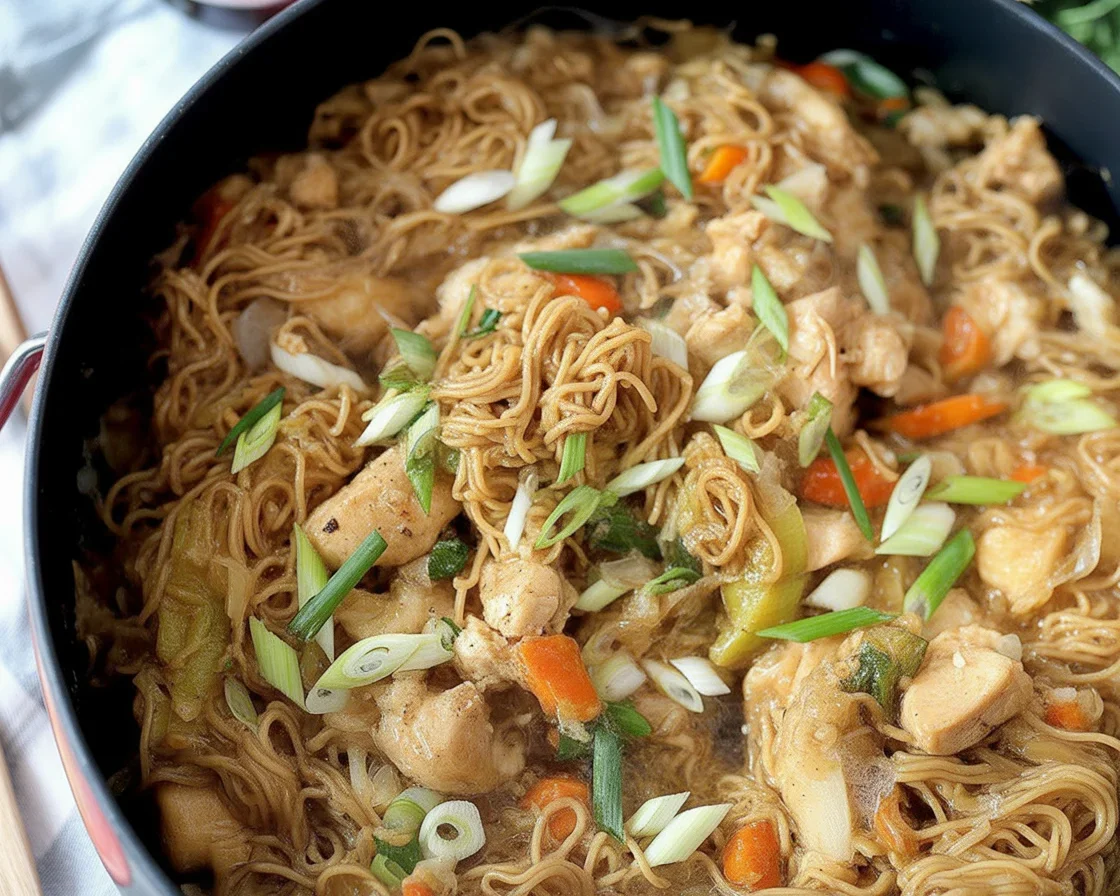
easy filipino pancit bihon. If you grew up watching a tita or lola toss noodles in a sizzling pan and thought it looked tricky, this one’s for you. I’m breaking the whole thing down so you can cook it tonight without stress. Simple steps, common pantry stuff, and a few smart tricks. Your kitchen will smell amazing, and you’ll have a tasty noodle dish that feels like a hug. Let’s make a batch you’ll be proud of. 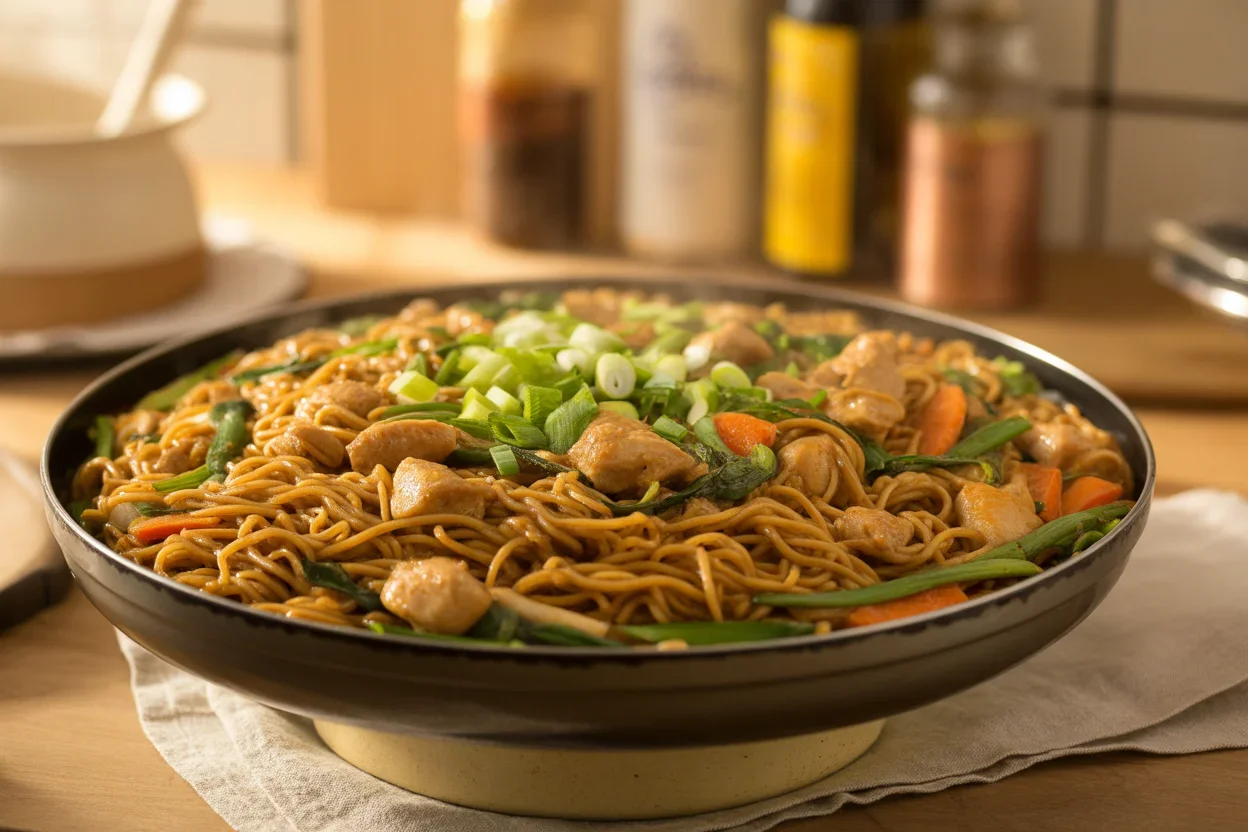
Ingredients
When I say Easy Pancit Bihon Recipe for Beginners, I mean straightforward ingredients that are easy to find. You can keep it classic with chicken and veggies, or lean into what you already have in the fridge. The key is balance. You want savory, a tiny bit sweet, and a fresh citrus finish. Here’s what I grab most of the time.
- 8 ounces dried bihon rice noodles
- 2 tablespoons neutral oil (canola or vegetable)
- 3 cloves garlic, minced
- 1 medium onion, sliced
- 1 to 2 boneless chicken thighs, thinly sliced (or leftover rotisserie chicken)
- 1 cup sliced cabbage
- 1 cup julienned carrots
- 1 cup snow peas or green beans, trimmed
- 2 tablespoons soy sauce
- 1 tablespoon oyster sauce (optional but recommended)
- 1 teaspoon sugar
- 1 cup chicken broth or water
- Freshly ground black pepper
- Calamansi or lemon wedges for serving
- Optional toppings: chopped green onions, fried garlic, a few drops of sesame oil, sliced fish balls, or cooked shrimp
Beginner tip: keep the veggies sliced thin so they cook fast and stay crisp. If you’re in the mood for more noodle ideas after this, try my quick and easy pancit canton for a saucier stir-fry vibe. 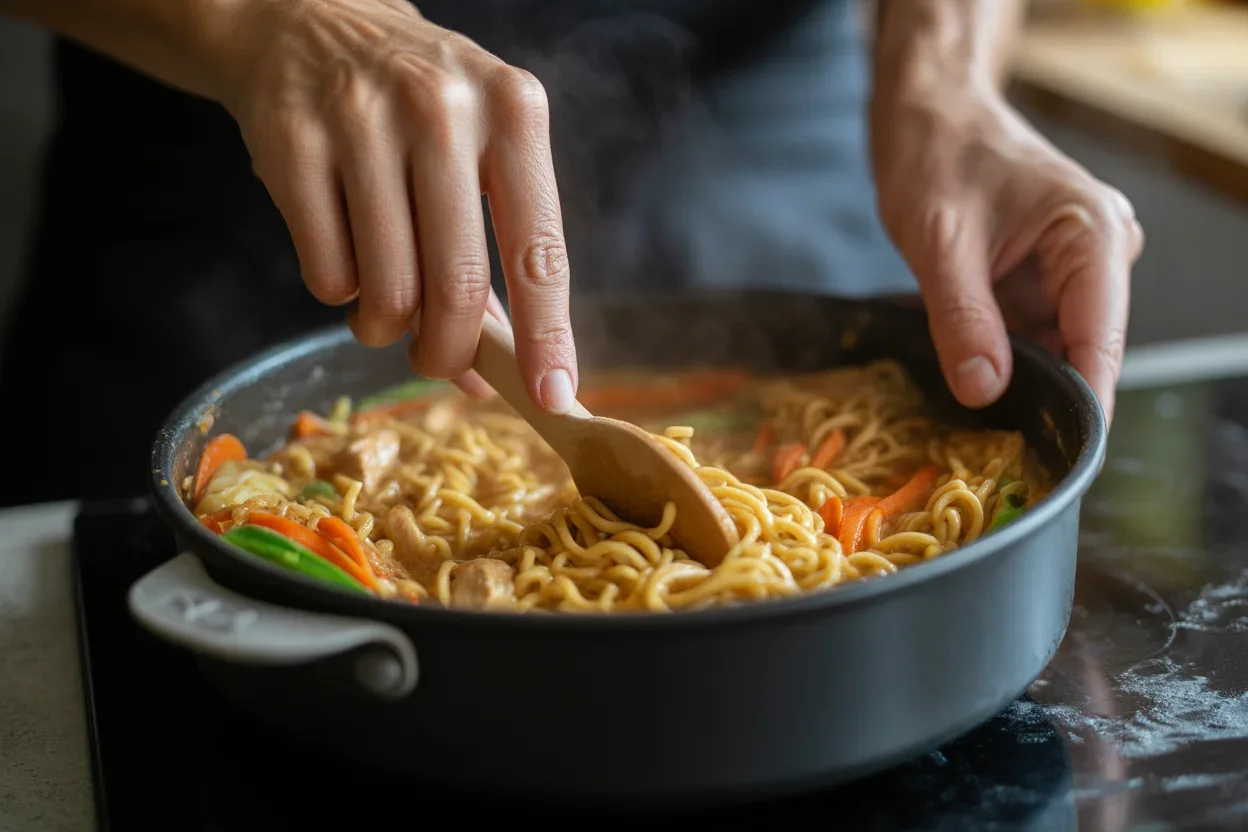
Cooking noodles
Rice noodles can be finicky if you’ve never handled them. The trick is giving them time to soften before they hit the pan, then finishing them in flavorful broth so they soak up all that goodness. Easy Pancit Bihon Recipe for Beginners starts with this step done right.
Soak the bihon
Place the dried noodles in a large bowl and cover with warm water. Let them sit 8 to 10 minutes until they bend easily but still feel a bit firm in the center. Drain well. If they feel stubborn, give them 2 more minutes, but don’t over-soak. You want them flexible, not mushy.
Build the flavor base
Heat oil in a wide pan or wok over medium. Add onions and cook until they’re soft and sweet, about 2 minutes. Stir in the garlic until fragrant. Slide in the chicken and a pinch of pepper. Cook just until the meat loses its pink color. You’re not aiming for deep browning here, just gently cooking through so it stays tender.
Season and steam
Pour in the broth, soy sauce, oyster sauce if using, and sugar. Taste the liquid and adjust. It should be savory with a hint of sweetness. Now add the drained noodles and toss with tongs to coat. If the pan looks dry, splash in another quarter cup of broth or water. Cover the pan for a minute to let the noodles steam, then toss again. You’ll see them turn glossy as they drink up the sauce.
Key tip: if the noodles clump, separate them with your tongs and a little extra liquid. Keep the heat at medium so the bottom doesn’t catch.
“I thought bihon would be complicated, but your method of soaking first then finishing in broth was magic. My family asked for seconds and I felt like a pro.”
By the way, if you’re in a shrimp mood and want another fast noodle dish for the weekend, check out this tasty easy pancit palabok.
Mixing vegetables
Veggies give color, crunch, and that feel-good balance to the noodles. For an Easy Pancit Bihon Recipe for Beginners, I like to keep it to three veggies max so nothing gets overcooked. Add the heartier ones first, and the quick-cooking ones last. You’ll keep the texture crisp and the flavors lively.
Veggie swaps and add-ins
Add carrots first since they need a touch more time. Then cabbage, which softens quickly. Finish with snow peas or green beans, so they stay bright and snappy. If using shrimp or fish balls, stir them in with the veggies during the last couple of minutes. Shrimp cooks fast, so keep an eye on it. You want pink and just opaque.
Seasoning checkpoint: taste after mixing the veggies in. If it needs more pop, add a teaspoon of soy sauce. If it tastes salty but flat, a small pinch of sugar and a squeeze of lemon can wake it up. Remember, a little acid at the end makes the flavors jump.
Texture tip: you’re looking for bouncy noodles plus crisp-tender veggies. If the noodles are stiff, sprinkle a bit more broth or water. If the pan gets sticky, reduce the heat and keep tossing.
Once everything is combined, give it a final toss so the veggies are evenly spread. The noodles should be shiny and lightly sauced, not soupy. That’s when you know you nailed it.
Serving
Serving is all about freshness and finishing touches. A simple squeeze of calamansi or lemon makes the flavors sing, which is exactly what I love about this Easy Pancit Bihon Recipe for Beginners. Here’s how I plate it for cozy weeknights and also for small get-togethers.
- Top with chopped green onions and a sprinkle of fried garlic.
- Set lemon wedges on the side so everyone can adjust brightness.
- Add a few drops of sesame oil if you like a nutty aroma.
- Serve with sliced cucumbers or a quick salad for freshness. If you want a classic partner, try this crisp and tangy ensaladang talong.
- For parties, keep the noodles warm on low and give a toss before serving to prevent sticking.
If you’re building a full Filipino-style spread, pair this with steamed rice and a simple soup, or add a hearty dish like chicken afritada. I’ve got a simple version here that’s weeknight friendly too.
Common Questions
How do I stop the noodles from turning mushy?
Soak them only until bendy, then finish cooking in the pan with broth. Keep heat at medium and add liquid slowly. Toss gently with tongs.
Can I make bihon ahead?
Yes, but it’s best the day you cook it. If you need to prep, slice veggies and meat in advance. Cook the noodles fresh and toss in everything right before serving.
What protein can I use instead of chicken?
Pork, shrimp, tofu, or a mix. Cook protein separately if it releases a lot of moisture, then add it back at the end.
How do I reheat leftovers?
Sprinkle a little water or broth on top and reheat in a pan over low heat, tossing gently. A microwave works too, just add that splash of liquid and cover.
How do I know the flavors are balanced?
Take a bite and ask yourself: is it savory enough, does it have a hint of sweetness, and is there brightness? Adjust with soy, a pinch of sugar, or a squeeze of lemon.
Ready to cook like a pro on your first try
That’s it. This Easy Pancit Bihon Recipe for Beginners is really about gentle heat, good tossing, and smart seasoning at the end. Keep your noodles flexible, your veggies crisp, and your citrus ready. If you want another noodle reference for later, I also like this guide from Pickled Plum: Bihon Pancit – Here’s How to Make It | Pickled Plum. And if you’re planning a full Filipino dinner, pair your bihon with a party favorite like my crockpot chicken afritada. Have fun, be patient with the toss, and enjoy every bite. 

Easy Pancit Bihon
Ingredients
Main ingredients
- 8 ounces dried bihon rice noodles
- 2 tablespoons neutral oil (canola or vegetable)
- 3 cloves garlic, minced
- 1 medium onion, sliced
- 1 to 2 pieces boneless chicken thighs, thinly sliced (or leftover rotisserie chicken)
- 1 cup sliced cabbage
- 1 cup julienned carrots
- 1 cup snow peas or green beans, trimmed
- 2 tablespoons soy sauce
- 1 tablespoon oyster sauce (optional but recommended)
- 1 teaspoon sugar
- 1 cup chicken broth or water
- Freshly ground black pepper
- Calamansi or lemon wedges for serving
- Optional toppings: chopped green onions, fried garlic, a few drops of sesame oil, sliced fish balls, or cooked shrimp
Instructions
Preparation
- Soak the bihon by placing the dried noodles in a large bowl and covering them with warm water. Let them sit for 8 to 10 minutes until bendy but still firm in the center. Drain well.
- Heat oil in a wide pan or wok over medium heat. Add onions and cook until soft and sweet, about 2 minutes. Stir in garlic until fragrant.
- Slide in the chicken and a pinch of pepper. Cook just until the meat loses its pink color.
Cooking
- Pour in the broth, soy sauce, oyster sauce (if using), and sugar. Taste the liquid to check for seasoning.
- Add the drained noodles and toss to coat. If the pan looks dry, add more broth or water. Cover the pan to let the noodles steam for a minute, then toss again.
- For mixing vegetables: Add carrots first, then the cabbage, and finish with snow peas or green beans. Stir in any optional proteins during the last few minutes.
Serving
- Top with chopped green onions and a sprinkle of fried garlic. Serve with lemon wedges on the side.
- Add a few drops of sesame oil if desired, and serve with fresh slices or a simple salad for added freshness.