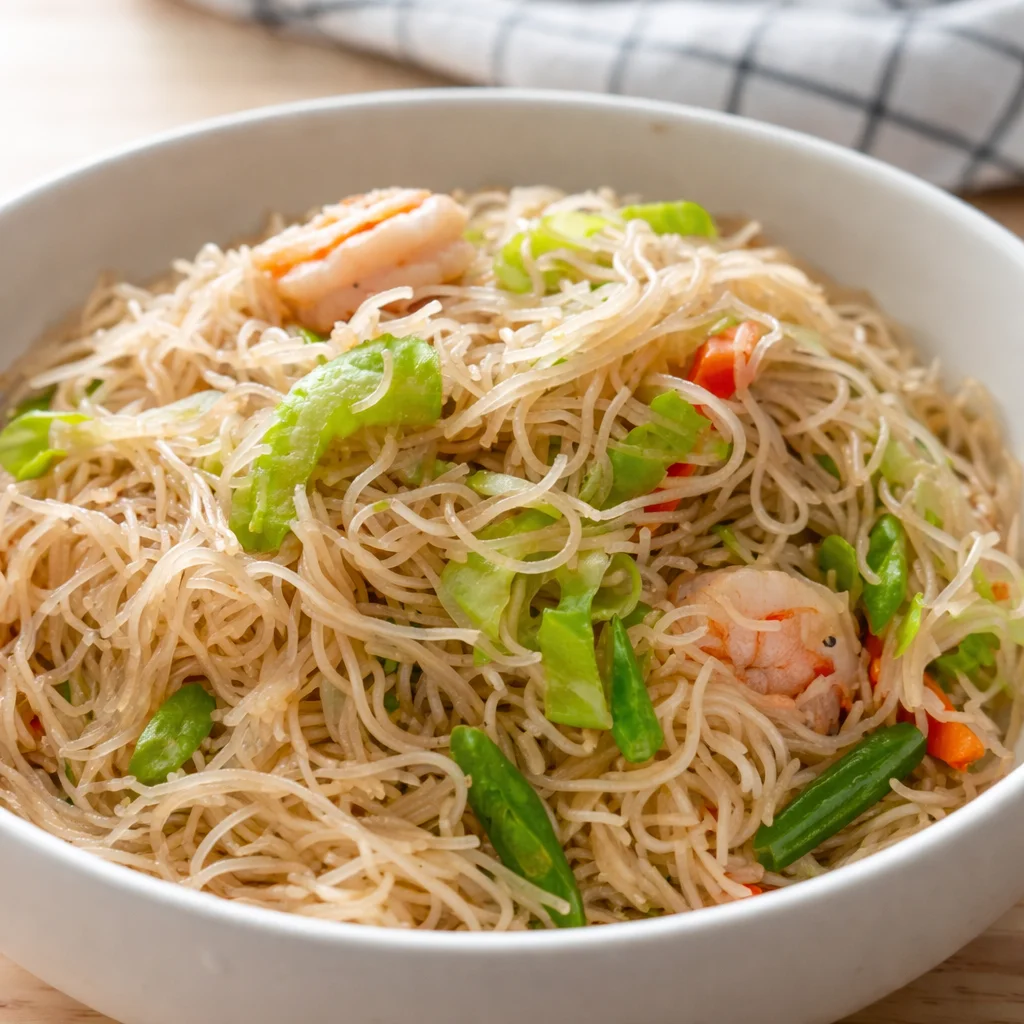
easy shrimp pancit bihon recipe — Easy Shrimp Pancit Bihon for Weeknight Dinner is my go to answer for those nights when I’m hungry, tired, and honestly tempted to just eat crackers and call it a day. It’s fast, it uses simple ingredients, and it feels like a real meal that you actually put love into. The best part is that it stretches, so if you’ve got family around or you want leftovers for lunch, you’re covered. I also love how it makes the kitchen smell like garlic and soy sauce in the best way. If you’ve never made it before, don’t worry, I’ll walk you through it like a friend in the kitchen. 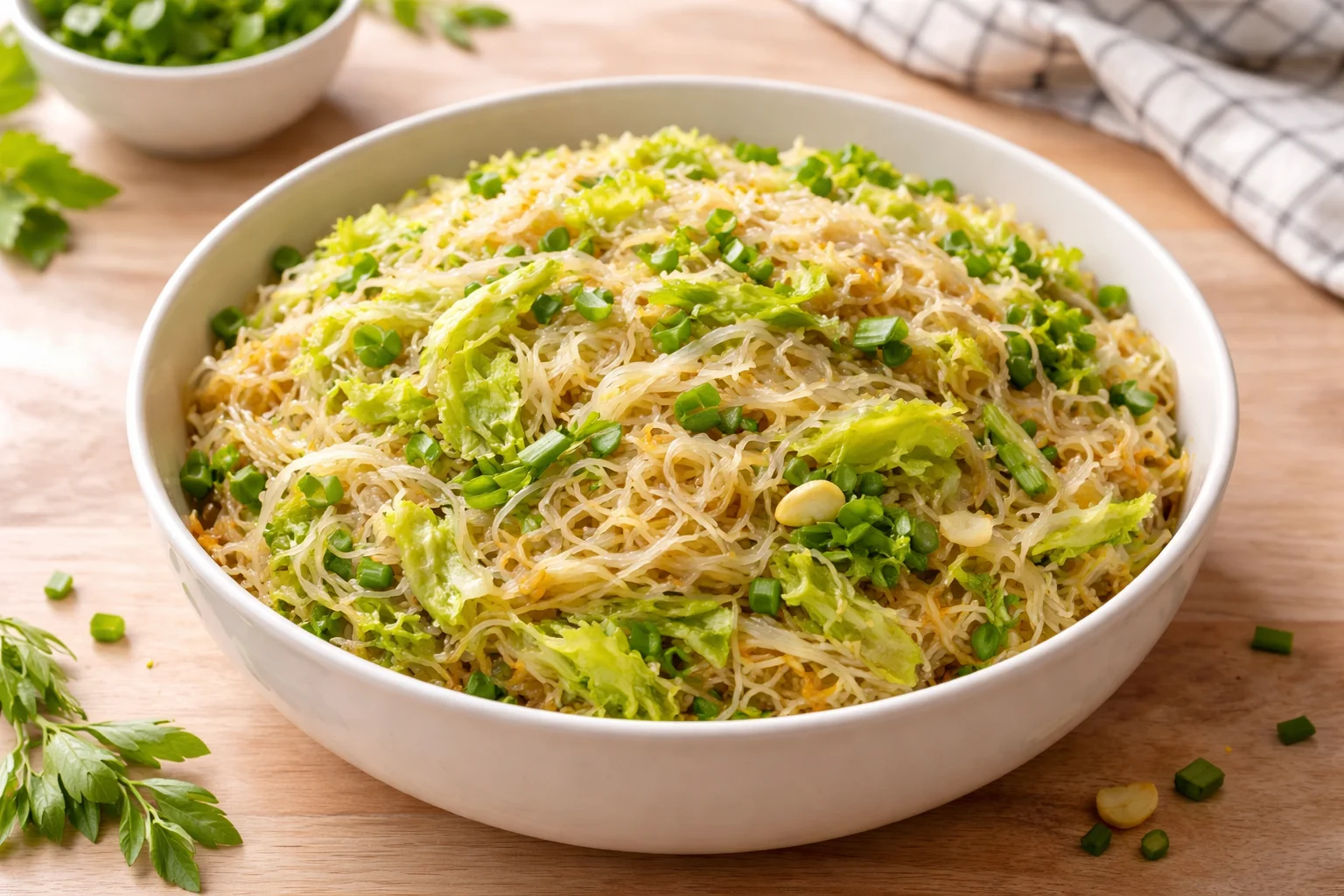
Bihon vs. Vermicelli
People ask this a lot, because in many stores the packages look almost the same. Bihon is basically rice noodles, and in Filipino cooking, when we say bihon, we usually mean those thin rice sticks used for pancit bihon. Vermicelli is a broader term, and it can mean rice vermicelli or even wheat based vermicelli depending on the brand and country.
Here’s how I keep it simple when I’m shopping:
- Bihon: thin rice noodles, usually labeled “rice sticks” or “bihon.”
- Rice vermicelli: often similar to bihon, but sometimes a bit thinner.
- Glass noodles: made from mung bean starch, turn more transparent when cooked, not the same texture.
For this Easy Shrimp Pancit Bihon Recipe for a Quick Weeknight Meal, stick with bihon or rice sticks. The texture is what makes it feel like classic pancit. If you accidentally grab super thin vermicelli, you can still use it, just soak it for less time and stir gently so it doesn’t break into tiny pieces.
My quick weeknight method is always the same: soften the noodles, stir fry the aromatics, cook the shrimp fast, then toss everything together so the noodles drink up the flavor. If you want extra help with a super beginner friendly walkthrough, I like this post too: easy pancit bihon recipe for beginners.
One more small tip that saves me every time: don’t drown the noodles in liquid. Add broth a little at a time. You can always add more, but you can’t un-soggy noodles. That’s basically the whole secret.
What is Pancit Canton?
Pancit Canton is another popular Filipino noodle dish, but it uses different noodles and has a different vibe. While bihon is thin and light, canton noodles are thicker, springier, and closer to egg noodles. Pancit Canton is usually stir fried with soy sauce, oyster sauce, veggies, and a mix of meats or seafood.
Sometimes people think pancit is one single dish, but it’s really a whole family of noodle dishes. Pancit bihon is the one I make when I want something quick and not too heavy. Pancit canton is what I crave when I want chewy noodles and a bigger bite.
If you’re curious and want to try the canton version on another night, here’s a solid weeknight option: quick and easy Filipino pancit canton recipe. I rotate between the two depending on what noodles I have in the pantry.
For this Easy Shrimp Pancit Bihon Recipe for a Quick Weeknight Meal, shrimp is the star because it cooks in minutes and still feels special. If you keep frozen shrimp in the freezer, you’re basically always 20 minutes away from a comforting noodle dinner.
“I made this on a busy Tuesday and my kids actually asked for seconds. The shrimp stayed juicy and the noodles weren’t mushy. This is going into our regular dinner rotation.”
Is Pancit Canton the same as Chow Mein or Lo Mein?
Not exactly, but I totally get why people compare them. They’re all stir fried noodles, they all love soy based sauces, and they all welcome whatever veggies you have hanging around in the fridge.
Here’s the easiest way I explain it to friends:
Pancit Canton is Filipino style stir fried noodles, usually seasoned with soy sauce and oyster sauce, and often served with calamansi or lemon on the side. Chow mein can be crispier or more pan fried depending on the style, and the noodles are often thinner or more fried. Lo mein is usually softer, tossed in sauce, and feels a little more slippery and saucy.
So no, they’re not the same, but if you like chow mein or lo mein, there’s a pretty good chance you’ll like pancit canton too. And if you like lighter rice noodles, you’ll probably love pancit bihon.
Speaking of quick dinners, I’m a big fan of having a few fast Filipino meals on standby. On nights when I don’t feel like noodles, I make this instead: quick Filipino chicken stir fry recipe for easy weeknight dinners. Same easy stir fry energy, different comfort.
Back to our shrimp bihon situation. If you want to keep flavors balanced, remember this trio: garlic, soy sauce, and a squeeze of citrus at the end. That last squeeze makes everything taste brighter, not heavier.
Where Do I Buy Pancit Canton Noodles?
If you’re looking specifically for pancit canton noodles, you’ve got a few easy options. Most Asian grocery stores will have them, and many regular supermarkets now have an international aisle with Filipino staples.
Here’s where I usually find them:
- Asian grocery stores: the most variety, and usually the best price.
- Filipino markets: you’ll find brands you grew up with, plus sauces and calamansi.
- Mainstream supermarkets: check the Asian aisle or near ramen and stir fry noodles.
- Online: convenient if you don’t have a store nearby, just check noodle thickness in the photos.
Even though this post is focused on bihon, it helps to know your options. I like keeping both bihon and canton noodles at home. They cook differently, but both save you from a sad takeout situation.
Now, for the actual Easy Shrimp Pancit Bihon Recipe for a Quick Weeknight Meal, here’s how I make it at home in a way that doesn’t stress me out.
My easy shrimp pancit bihon game plan
What you will need is nothing fancy. It’s more about timing than special tools. A big pan or wok helps, but any wide skillet works.
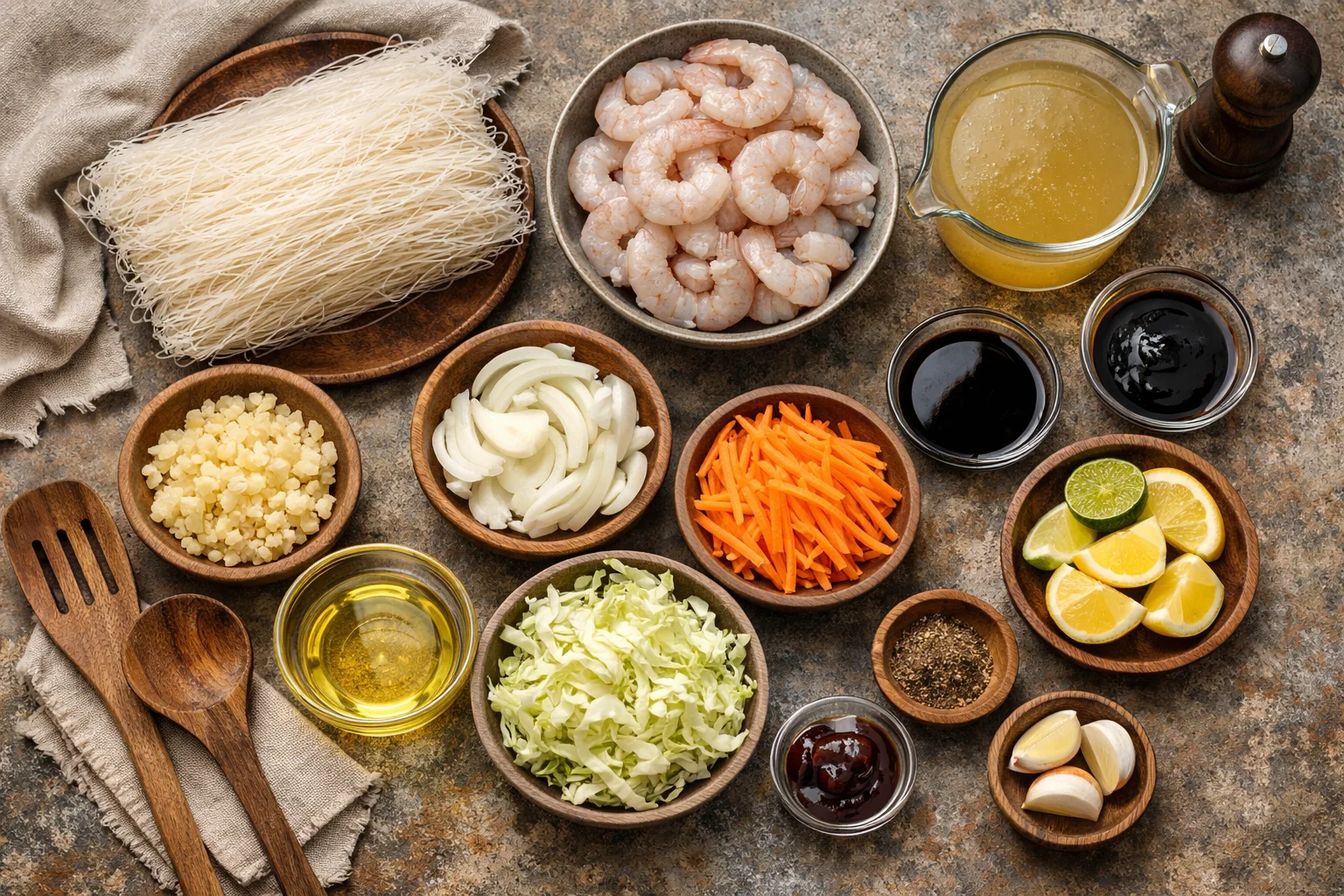
Ingredients (flexible, use what you have):
- 8 oz bihon rice noodles
- 1 lb shrimp, peeled and deveined
- 4 to 6 cloves garlic, minced
- 1 small onion, sliced
- 1 cup shredded cabbage
- 1 carrot, julienned or thinly sliced
- 2 to 3 tbsp soy sauce
- 1 tbsp oyster sauce (optional but tasty)
- 2 to 3 cups chicken broth or water
- 2 tbsp oil
- Black pepper to taste
- Lemon or calamansi wedges for serving
Directions (my weeknight style):
- Soften the bihon in warm water for about 8 to 10 minutes, then drain. Don’t over soak.
- Heat oil in a big pan. Cook garlic and onion until fragrant.
- Add shrimp and cook just until pink. Then scoop them out to avoid overcooking.
- Add carrots and cabbage. Stir for a minute or two, just to soften a bit.
- Pour in broth, soy sauce, and oyster sauce if using. Bring to a gentle simmer.
- Add the drained noodles. Toss and stir as the noodles absorb the liquid.
- Add shrimp back in at the end. Season with pepper. Taste and adjust soy sauce if needed.
- Serve hot with lemon or calamansi on the side.
If your noodles look dry, splash in a little more broth. If they look too wet, keep tossing over heat for another minute. You’ll feel it click into place. After you make it once, it becomes muscle memory.
This is the part where I remind you: don’t walk away from the pan. Bihon changes fast once it hits hot broth. Stay close, stir gently, and you’ll get that perfect tender but not mushy bite.
And yes, this Easy Shrimp Pancit Bihon Recipe for a Quick Weeknight Meal is totally meal prep friendly. I pack leftovers with extra lemon wedges, then squeeze right before eating so it tastes fresh again.
More Filipino Dishes to Try
If you’re in a Filipino food mood after making noodles, I get it. One dish leads to another. Here are a few I make when I want comfort without spending all night cooking.
If you like saucy noodles with seafood, you might want to try pancit palabok sometime. It’s different from bihon, but so satisfying: easy pancit palabok recipe with garlic sauce and shrimp.
If you want something cozy and filling on a cold night, lugaw is the answer. It’s simple, soft, and feels like a hug in a bowl: comforting Filipino lugaw recipe simple rice porridge.
And if you’re building out a list of family friendly ideas, especially if you’ve got picky eaters in the house, this roundup is handy to bookmark: 10 kid friendly Filipino recipes for U S families.
But for real, start with this shrimp bihon. Once you nail the noodles, you can swap proteins, switch up veggies, and basically make it your own every time. That’s what makes it such a good weeknight meal.
Common Questions
Can I use pre cooked shrimp?
Yes, but add it at the very end just to warm through. Pre cooked shrimp can turn rubbery fast if it simmers too long.
How do I keep bihon from clumping?
Soak it just until flexible, drain well, and toss it often once it’s in the pan. Also, use a wide pan so the noodles have room.
What veggies work best if I don’t have cabbage?
Snow peas, bell peppers, green beans, or even a handful of spinach at the end all work. Use what’s in your fridge.
Can I make this gluten free?
The noodles are usually rice based, but check your soy sauce and oyster sauce. Use gluten free soy sauce or tamari to be safe.
How long will leftovers last?
Usually 3 days in the fridge in a sealed container. Reheat with a small splash of water or broth so it loosens up.
A quick send off before you cook
This Easy Shrimp Pancit Bihon Recipe for a Quick Weeknight Meal is one of those dishes that makes you feel like you’ve got your life together, even if the day was messy. Keep it simple, taste as you go, and don’t overthink the noodles. If you want to compare another take on flavors and method, I also like reading Pancit Bihon with Shrimp (Filipino Noodles) – Asia Makes because it’s always fun to see how other home cooks do it. I hope you try it this week, and I really hope you squeeze that lemon at the end because it makes the whole pan come alive. 
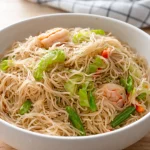
Easy Shrimp Pancit Bihon
Ingredients
Main Ingredients
- 8 oz bihon rice noodles Thin rice noodles, usually labeled as 'rice sticks' or 'bihon.'
- 1 lb shrimp, peeled and deveined Fresh or frozen shrimp.
- 4 to 6 cloves garlic, minced Adds flavor.
- 1 small onion, sliced For flavor base.
- 1 cup shredded cabbage Can substitute with other veggies.
- 1 medium carrot, julienned or thinly sliced Adds sweetness and color.
- 2 to 3 tbsp soy sauce For seasoning.
- 1 tbsp oyster sauce Optional but adds depth.
- 2 to 3 cups chicken broth or water For cooking the noodles.
- 2 tbsp oil For cooking.
- to taste N/A black pepper Season as desired.
- N/A N/A lemon or calamansi wedges For serving.
Instructions
Preparation
- Soften the bihon in warm water for about 8 to 10 minutes, then drain. Don’t over soak.
- Heat oil in a big pan over medium heat.
Cooking
- Cook garlic and onion until fragrant.
- Add shrimp and cook just until pink. Then scoop them out to avoid overcooking.
- Add carrots and cabbage. Stir for a minute or two, just to soften a bit.
- Pour in broth, soy sauce, and oyster sauce if using. Bring to a gentle simmer.
- Add the drained noodles. Toss and stir as the noodles absorb the liquid.
- Add shrimp back in at the end. Season with pepper. Taste and adjust soy sauce if needed.
Serving
- Serve hot with lemon or calamansi on the side.