Introduction
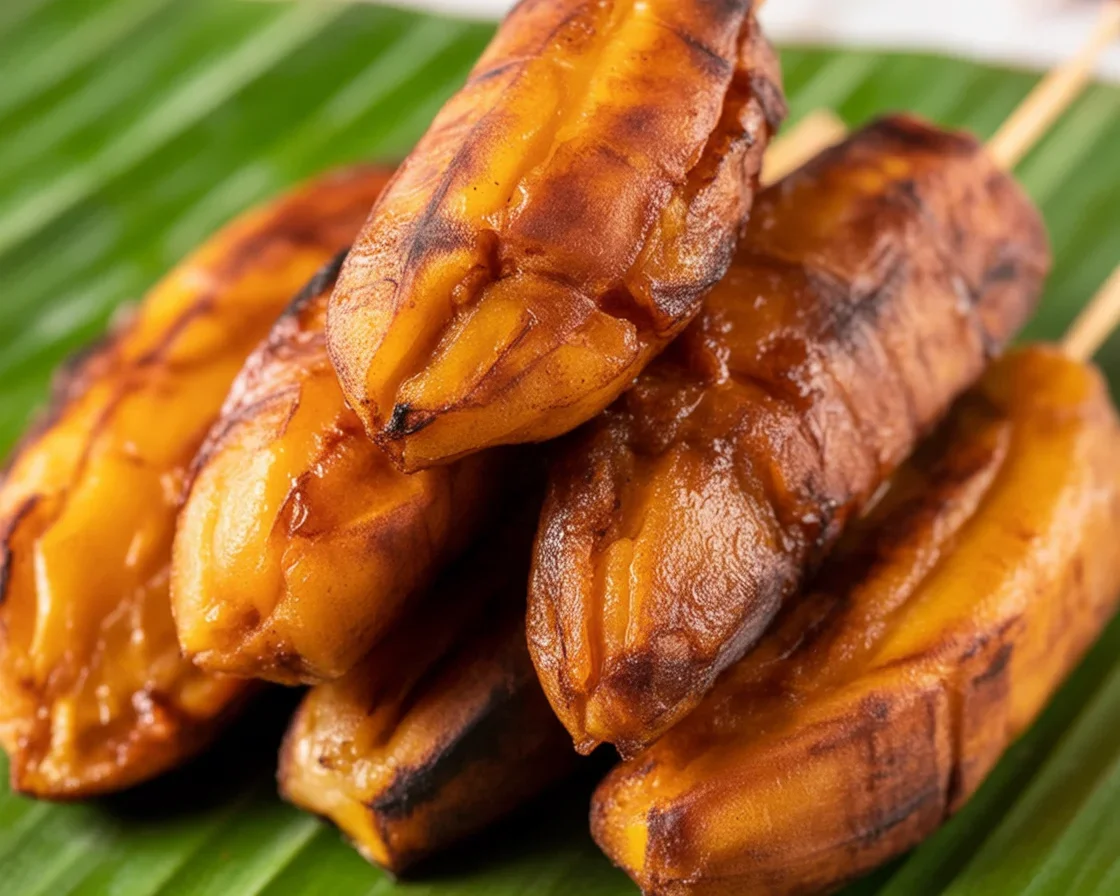
banana cue filipino street food cravings hit hard in the late afternoon when you want something sweet, quick, and comforting. I grew up spotting those golden skewers on almost every corner, and the smell alone could pull me from half a block away. If you have ripe but firm saba bananas and a little sugar, you can recreate that same street-side magic at home. This is the snack I make when I want to feel close to family, even if I am far from the usual stalls and chatter. I will show you exactly how to get the caramel shiny, the edges crisp, and the inside soft. Let’s make a batch you will be proud to snack on and share.
Ingredients
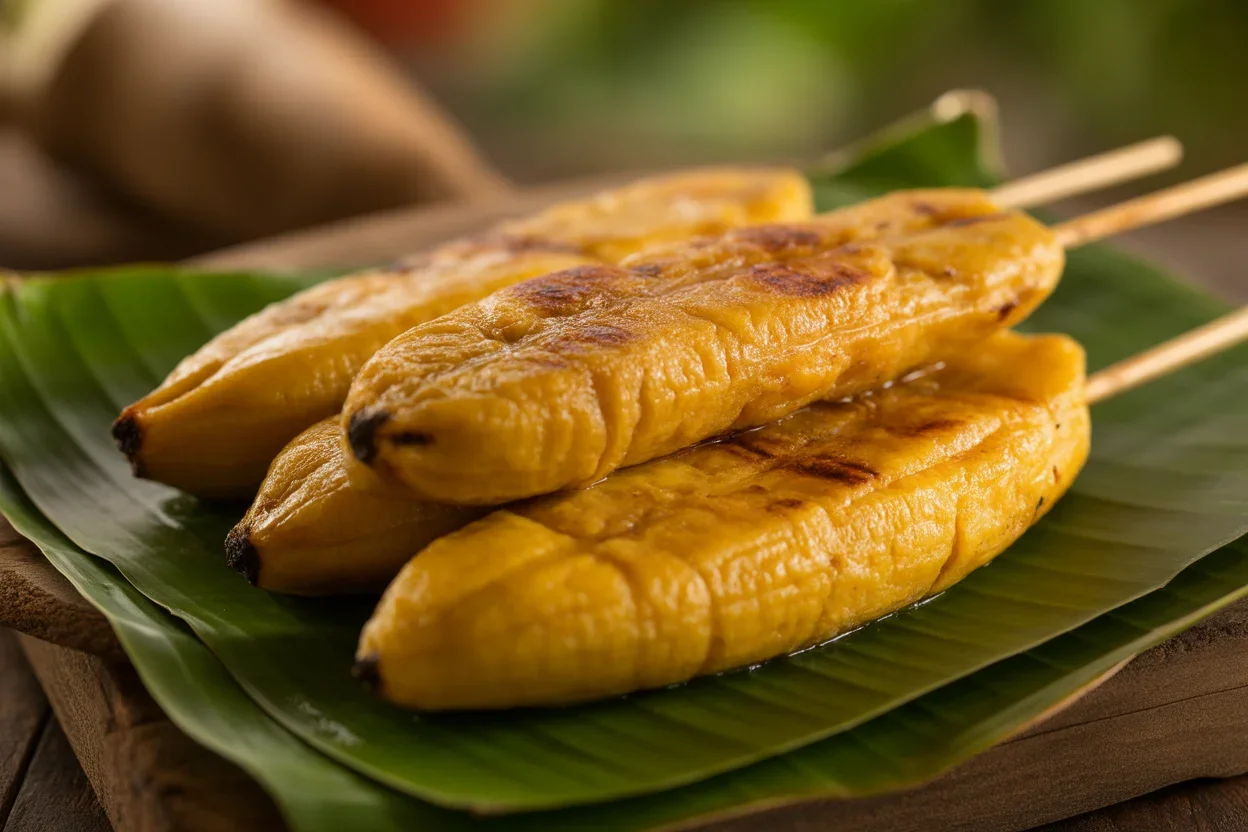
Before the oil heats up, let’s talk ingredients and a few smart swaps. Banana cue should taste like childhood treats and feel easy, so keep it simple with what you have, but stay loyal to the basics for best results.
- Saba bananas: 8 to 10 pieces, ripe but still firm. If you can only find plantains, choose yellow ones with a few black spots.
- Brown sugar: 1 cup, loosely packed. Light or dark works, depending on how deep you want the caramel flavor.
- Cooking oil: enough to come about 1 to 1.5 inches up the side of your pan. Neutral oils like canola or vegetable are best.
- Optional pinch of salt: just a tiny bit to balance the sweetness.
- Skewers: bamboo or any sturdy stick, for that classic look and easy snacking.
Now, sourcing notes. Saba has a denser texture that holds up to heat. If your bananas are too soft, you will end up with mush. Aim for fruit that yields slightly to pressure but still feels strong. That way, you get a tender bite inside without breaking during frying.
For sugar, I find brown sugar gives body and a hint of molasses that makes the caramel round and cozy. White sugar will still caramelize but can taste a little flat. I also sometimes add a tiny pinch of salt before coating, which makes the sweetness pop.
If you want to see more classic Filipino skewered snacks for inspiration, check out this list of Filipino street food favorites and get ideas for your next snack session.
Frying bananas
Let’s set you up for success. Your pan choice matters. A heavy skillet or a small pot keeps heat steady and prevents the sugar from burning later. Heat your oil on medium. You want the oil hot enough to sizzle gently but not raging. If oil starts smoking, pull the heat down right away. The goal is a steady, calm fry.
Choosing the right bananas
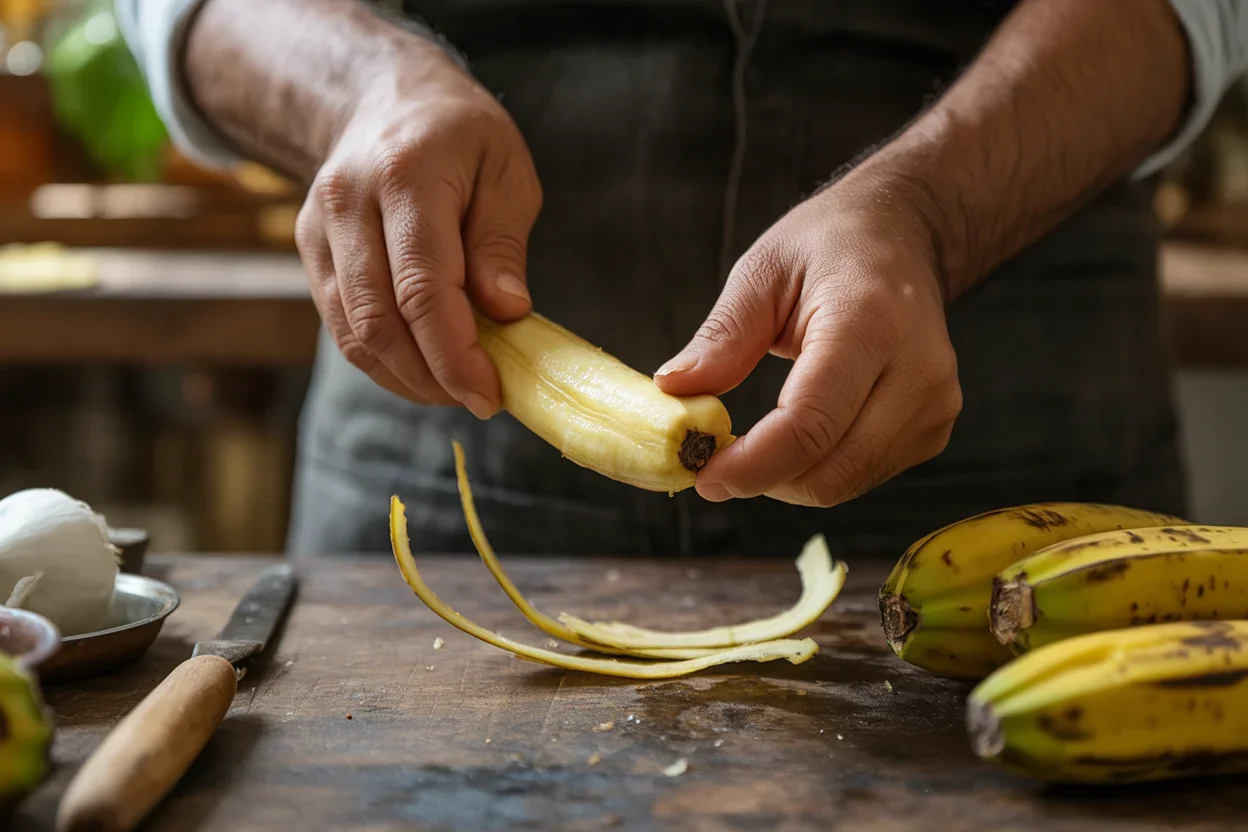
Peel your saba and trim the ends if they look tough. You can fry them whole or cut them lengthwise for more caramel coverage. Whole bananas feel classic and look great on a stick. Either way, make sure they are dry before they hit the oil. Wet fruit can make the oil spit and that is not fun for anyone.
Heat setup and the first fry
Slide the bananas into the hot oil gently. Give them room to move around freely. Crowding drops the temperature and makes the bananas oily and heavy. Keep an eye on color. In about 2 to 3 minutes per side, they will turn slightly golden. You are not caramelizing yet, just cooking the fruit through and letting the edges firm up. This stage builds structure and prevents collapse when you add sugar.
Here is a small trick I learned from my aunt. If the bananas seem to brown too fast, take the pan off the heat for a moment, let it calm, then return it. You keep control that way. Rushing can ruin the batch. Remember, **steady medium heat** is your best friend.
You might also love how other vendors build texture. If you want inspiration for more crunch and color, browse these crispy Banana Cue tips. They show how sugar behaves and how to time your coat for that glossy snap.
My neighbor tried this method and said, “I never knew the heat mattered so much until I followed your steps. The bananas finally came out with that store stall shine, and my kids devoured them before they cooled.”
Once your bananas are gently golden, you are ready to caramelize. Patience here gives you that signature look of Banana Cue – Filipino Caramelized Banana Street Food and avoids burnt sugar chaos.
Caramelizing sugar
Now we build the coat. This step brings all the nostalgia and makes the snack what it is. You have two easy ways to do it. Both work well. Choose the one that fits your comfort level.
Method 1: Sugar-in-pan coat
Keep the bananas in the pan, but push them to the sides for a moment. Sprinkle the brown sugar evenly over the oil. It will sink and start to melt. Use a spatula to gently move the bananas through the melting sugar. You are not scrambling eggs here, so go easy. Turn and roll them until the sugar sticks and turns glossy. If the sugar starts to clump, do not panic. Lower the heat and keep nudging the bananas through. Those bits will melt back into a smooth coat.
As soon as they are evenly covered and shiny, remove them to a tray or plate. If you want the extra crisp, let them sit for a minute, then give a light second roll through the remaining syrup and pull them out fast. That thin second layer becomes crunch when it cools.
Method 2: Pre-melt syrup pour
If the first method makes you nervous, try a controlled syrup. In a small saucepan, heat half a cup of brown sugar with two to three tablespoons of water over medium until it bubbles and turns syrupy. You can add a tiny pinch of salt at this stage. When it is smooth and shiny, pour it carefully over the fried bananas in a bowl and toss gently with tongs to coat. You will still get that glassy finish, just with less splatter around the stove.
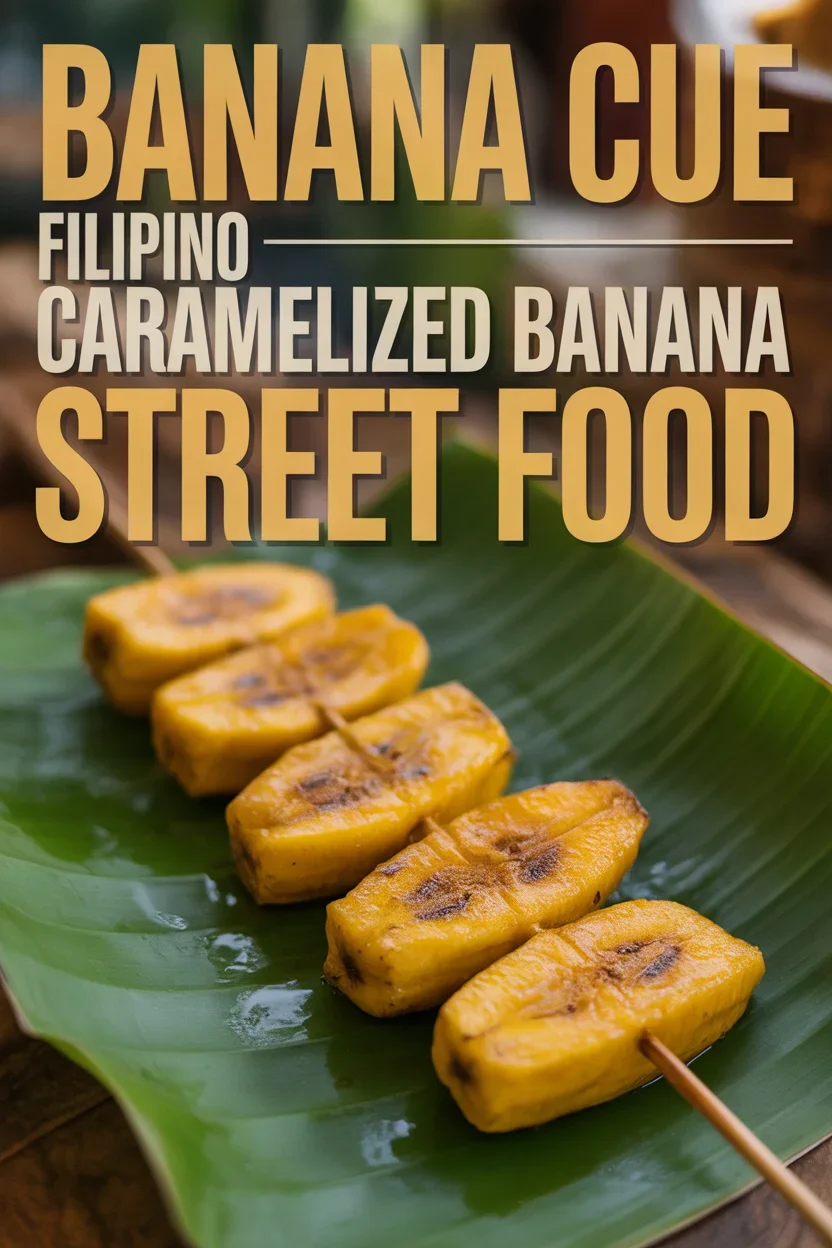
Whichever method you pick, the goal is the same. Coat the bananas while hot, let them sit for a minute to set, then skewer while warm. The caramel grips best while the fruit still gives off a little steam. This is the heart of Banana Cue – Filipino Caramelized Banana Street Food and what makes it loved in every neighborhood I know.
If you are curious about other banana desserts after this, I have a soft spot for crispy wrappers and caramel. You might enjoy a classic like turon on days when you want that flaky bite.
Common Questions
Q: Can I use plantains instead of saba?
A: Yes, go for yellow plantains with a few black spots. They fry nicely and hold shape. The flavor is slightly different, but still delicious.
Q: Why did my sugar crystalize?
A: The heat may have been too high or the sugar was disturbed too aggressively before melting. Keep it on medium heat and let it dissolve, then move the bananas gently through it.
Q: How do I avoid soggy banana cue?
A: Do not overcrowd the pan. Keep the oil at a steady medium heat, and let the bananas cook briefly before caramelizing. Soggy often means your oil went too cool.
Q: Can I make this ahead?
A: Banana cue tastes best fresh because the caramel is crisp. If you must prep, fry the bananas ahead, then reheat gently and caramelize right before serving.
Q: What oil should I use?
A: Neutral oils like canola, vegetable, or peanut are good. They have high smoke points and keep the flavor clean.
How to serve and store
Serve banana cue warm on skewers and pair it with something cold to sip. I like a little iced tea on the side. If you want to stock your afternoon snack list, explore more from the street stall universe. A handy starting point is this round-up of Filipino street food favorites. You will find combos that make sense together in a spread, like fish balls or barbecue skewers.
Leftovers can sit at room temperature for a few hours, but the caramel softens. If you have to store them, keep them in an airtight container and warm them briefly in a low oven to bring back some crisp. Microwaves make the sugar sticky and soft, so use the oven if you can.
By the way, if you found your way here while exploring other versions, you will enjoy comparing techniques. I love how home cooks put their own twists on Banana Cue – Filipino Caramelized Banana Street Food with extra crunch or a sprinkle of sesame. Whatever your style, remember the two pillars of success: controlled heat and gentle handling. Those two alone turn a decent snack into a dreamy one.
A sweet little ending for your snack time
So that is my simple, reliable way to make Banana Cue – Filipino Caramelized Banana Street Food at home. Keep the bananas firm, the oil on medium, and the sugar patient. With that trio, you will get glossy caramel and a soft center every time. If you want another friendly take to compare, this guide to Banana Cue (Filipino Fried Caramelized Bananas) – Sweet Simple … is a nice reference for flavor and technique. And when you are ready to branch out to something flaky and equally caramel happy, try classic turon for your next weekend snack.
Thanks for cooking with me today. I hope this brings a little warmth to your kitchen and maybe a crowd to your table. If you make it, tell me how it went and what you paired with it. Nothing beats sharing a fresh skewer with someone you love.
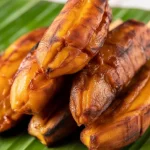
Banana Cue
Ingredients
Main Ingredients
- 8 to 10 pieces Saba bananas, ripe but firm If unavailable, use yellow plantains with a few black spots.
- 1 cup Brown sugar, loosely packed Light or dark works based on preference for caramel flavor.
- 1 to 1.5 inches Cooking oil Neutral oils like canola or vegetable are best.
- pinch Salt Optional, to balance the sweetness.
- as needed Skewers Bamboo or any sturdy stick for serving.
Instructions
Preparation
- Peel the saba bananas and trim the ends.
- Heat the oil in a heavy skillet or small pot over medium heat until hot but not smoking.
Frying Bananas
- Gently slide the bananas into the hot oil, making sure not to crowd them.
- Fry the bananas for about 2 to 3 minutes per side until they turn slightly golden.
- Adjust the heat as necessary to maintain steady medium heat.
Caramelizing Sugar
- Choose between two methods to coat the bananas with sugar.
- Method 1: Sugar-in-pan coat. Push bananas to the side, sprinkle brown sugar evenly into the oil, and gently move bananas through the melting sugar until coated.
- Method 2: Pre-melt syrup pour. In a saucepan, heat brown sugar with water until syrupy, then pour over fried bananas and toss to coat.
- Let the coated bananas sit for a minute to set, then skewer while warm.